PROJECT NOTES / Research platforms · Evidence organization
Academic Echo · 学术回声
Organize evidence and responses around a paper
Connect DOI lookup, metadata confirmation and discussion with interfaces and services built for scholarly expression and clear identity boundaries.

01 / THE WORKFLOW
Start with the workflow
Academic Echo organizes post-publication discussion around papers. Readers start with a DOI, title or author. Paper content, author responses, evidence and identity handling are separated into distinct paths and modules.
- 01Enter a DOI or title
- 02Confirm paper metadata
- 03Open the discussion
- 04Organize evidence and responses
02 / INTERFACE & INTERACTION
How the interface supports the task
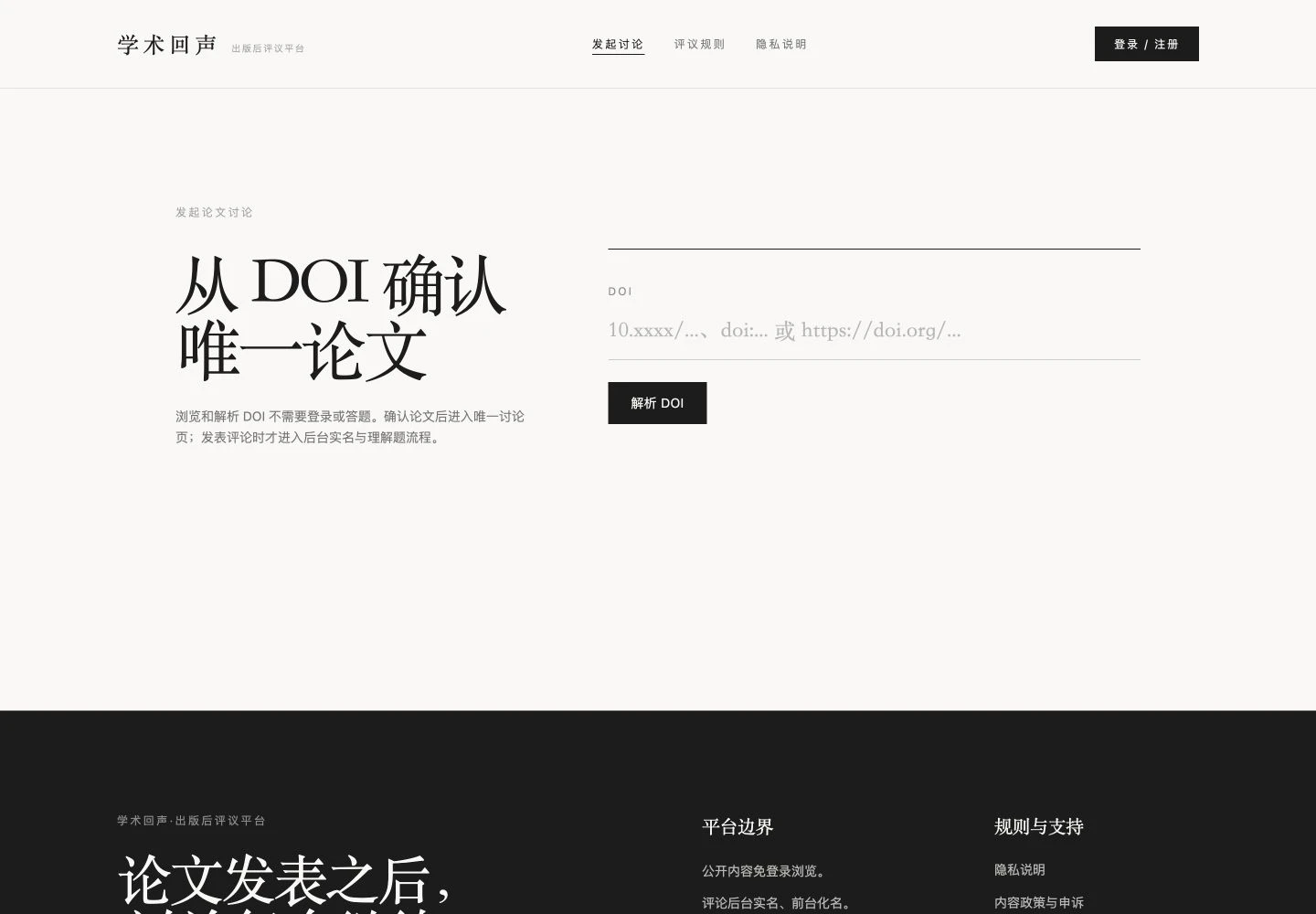
Identify the paper before the discussion
The DOI input accepts identifiers, doi: prefixes and doi.org links. The frontend normalizes and checks the input before calling the resolver. A metadata confirmation links to the corresponding paper record instead of creating separate entry points for different URL formats.
Preserve scholarly structure
Editor components support Markdown, GFM and LaTeX with locally rendered KaTeX formulas. IndexedDB stores browser drafts. Comments, author responses, paper status events and image evidence are presented as distinct structures.
Separate reading from identity handling
The home page distinguishes open reading from participation. Paper and comment services, identity handling, author verification and moderation are organized separately. Public pages consume display data rather than exposing identity records in comments.
03 / ENGINEERING NOTES
The engineering behind the interface
A frontend for structured expression
Next.js and React provide search, DOI confirmation, paper discussion and editor components. Tailwind CSS defines the layout. Fonts and formula resources are served locally to reduce external script dependencies.
Services with specific responsibilities
The Java / Spring Boot core handles papers, comments, search and public APIs. Author, identity and moderation modules are separate, with PostgreSQL for structured records and same-origin API paths for the frontend.
Separate media processing from rendering
Markdown rendering and image attachments follow different paths, with media sanitization in a dedicated worker. CSP, Referrer-Policy and local draft storage constrain resources and browser-side data flows.
MORE PROJECTS
More project notes
Medical imaging · 3D visualization
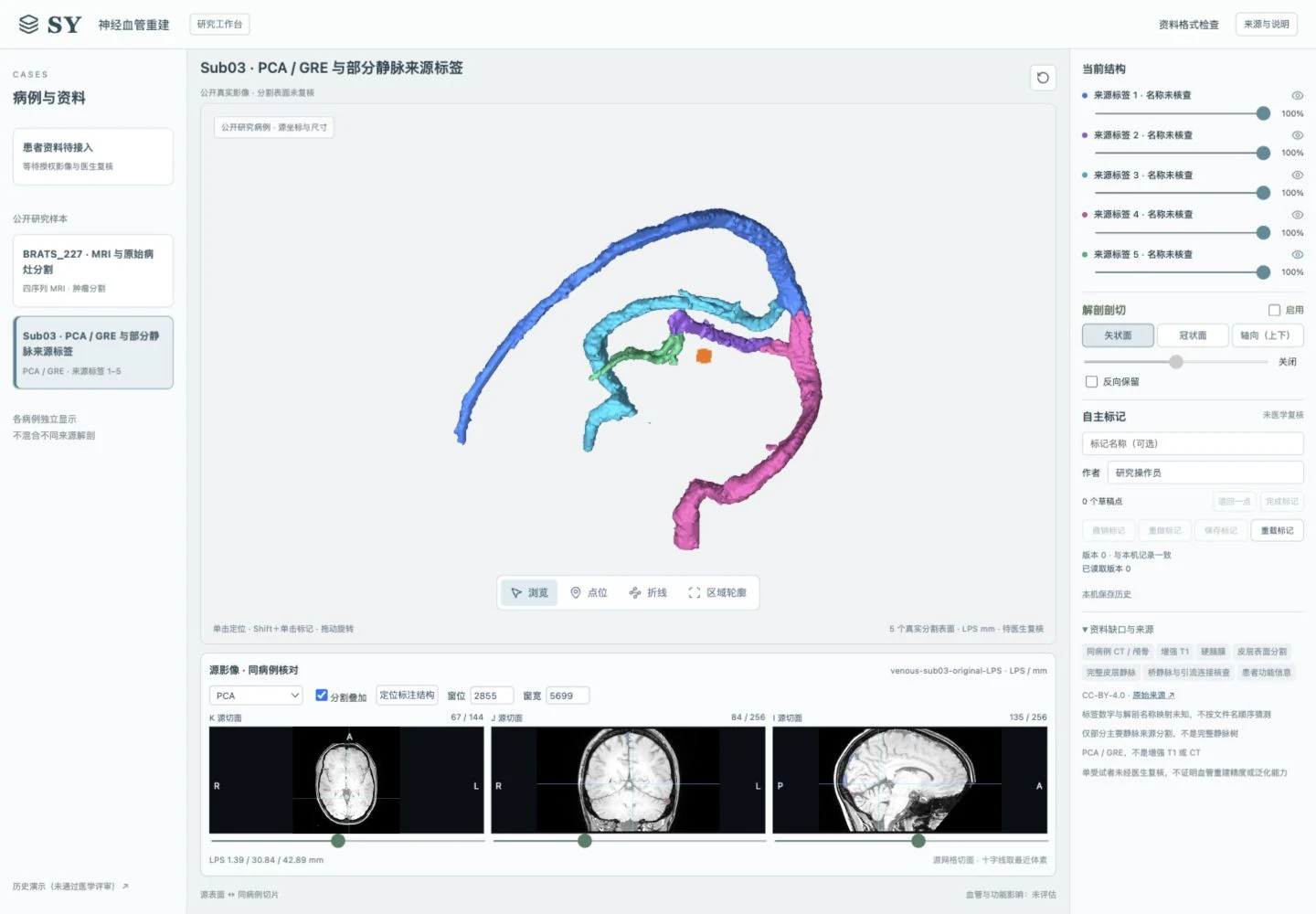
Neurosurgical Vascular Reconstruction System
Connect MRI, segmentation surfaces, source slices and user annotations so a point in 3D can be traced back to its image coordinates.
Video workflows · Mobile interaction
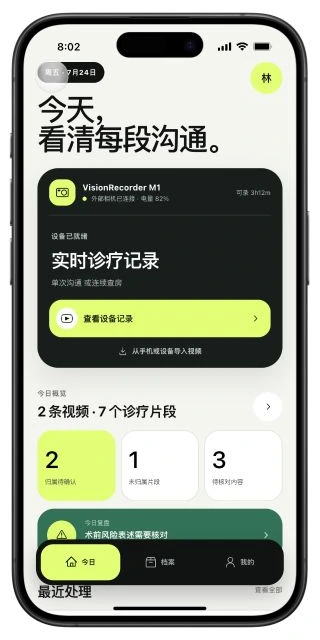
DoctorDefender
A mobile interaction workflow brings video segments, patient assignment, source text and review actions together.